




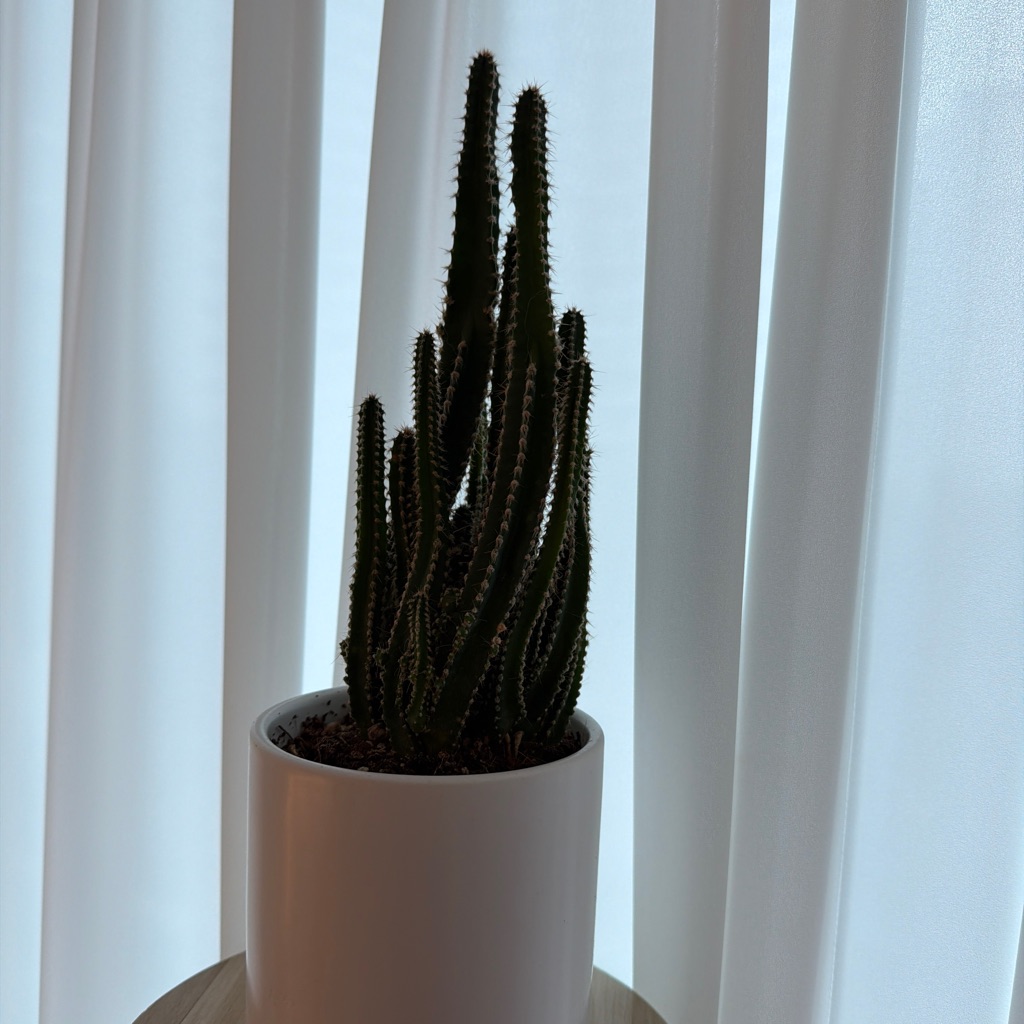



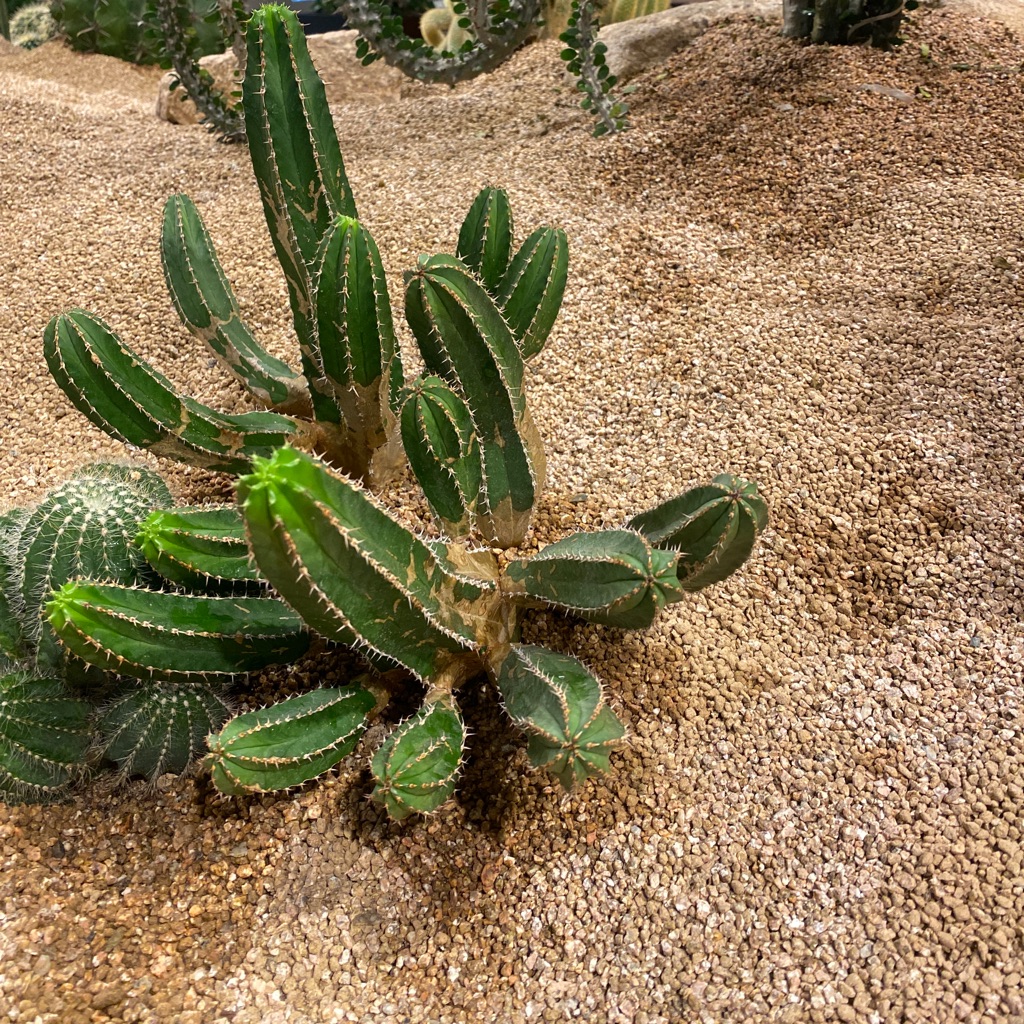



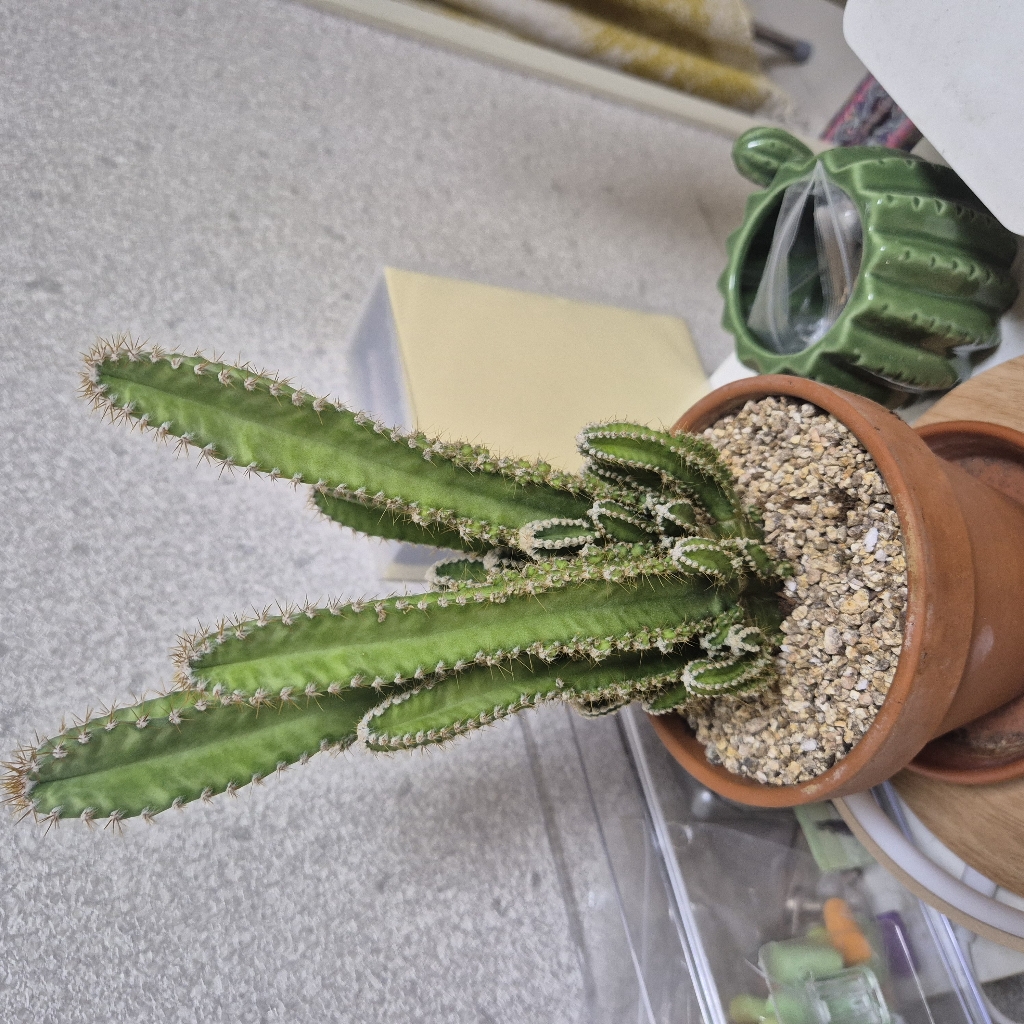
How to grow and care for Cereus repandus (L.) Mill.
plant care guide about watering, fertilizing, trimming, repotting, cutting, propagating Cereus repandus (L.) Mill., Hedge cactus
Cereus repandus (L.) Mill. 101 - Plant Care Instructions
Bright direct light
18C° ~25C°
Every 14 days
Botany Encyclopedia
Family : Cactaceae
🏝️ Habitat Conditions
This plant mostly grew in arid desert environments. It has a short growing season and a long dormancy period.
👀 Characteristics details
Most of them have spines, which minimize water loss. As a result, overwatering can easily lead to their death.
🌺 Flower
Most flowers are vibrant and bloom at night. For artificial pollination, it should be done at night.
🌿 Photosynthesis
Most plants in this family use CAM (Crassulacean Acid Metabolism) photosynthesis, typical of desert plants. This means they close their stomata during the day to minimize water loss and perform photosynthesis at night. Therefore, it's best to water them at night. However, they are sensitive to overwatering, so they should be kept in a well-ventilated, dry environment.
🎋 Stem
It has a succulent stem that performs photosynthesis and stores water instead of leaves. At the junction of the stem and spines, there are small spine cushions, called areoles, which protect the growing points. This characteristic distinguishes it from typical succulents.
🪴 Root&Soil
Most have shallow, widely spreading roots. Therefore, they do better in wide, shallow pots rather than deep ones.
water
How to water Cereus repandus (L.) Mill.
How often should I water?
check Cereus repandus (L.) Mill. Every 14 days if it needs water when it’s very cold (below 5℃), water less frequently
When do I need to water?
The soil should be at least 90% dry before watering again. this means about every 2 weeks in the warm season and about every 4 weeks in the cold season
Signs that it really needs water
look a little pale, wrinkled or shriveled.
Light & Location
How much light does a Cereus repandus (L.) Mill. need?

Bright direct light
Grow light
Light preference
Cereus repandus (L.) Mill. likes Bright direct light, Grow light day. The brighter the space, the better this plant grows.
Check if there’s an optimal place in your house!
This plant prefers
2K ~ 20K lux to thrive!
0
20K~
2K
20K
Temperature
Natural habitat
-15
3~40℃
45
Houseplants
-15
18~25℃
45
Plants that grow in the wild and those that grow indoors prefer different temperatures. If you grow Cereus repandus (L.) Mill. at home, make sure the temperature is 18~25℃.
Humidity
Ideal humidity
0
40~70%
100
Cereus repandus (L.) Mill. prefers humidity about 40~70%. If necessary, increase humidity by misting, humidifier.
Fertilize
Collective Knowhow
When should I fertilize?
Only when your plant is healthy
How frequently should I fertilize?
1-2 times in growing season. A pinch for a small pot.
Characteristic
The taxonomic classification of Cereus repandus (L.) Mill. is as follows. - Kingdom: Plantae, Phylum: Tracheophyta, Class: Magnoliopsida, Order: Caryophyllales, Family: Cactaceae, Genus: Cereus, Species: Cereus repandus
| Characteristic Name | Characteristic Value |
|---|---|
| Lifespan | Perennial |
| Habitat | South America |
| Hardiness Zone | 9 - 11 |
| Taxonomy Name | Taxonomy Value |
|---|---|
| Phylum | Tracheophyta |
| Class | Magnoliopsida |
| Order | Caryophyllales |
| Family | Cactaceae |
| Genus | Cereus |
| Species | Cereus repandus |
Is your plant sick?
Track what happened. We’ll let you know the cause and treatment shortly!
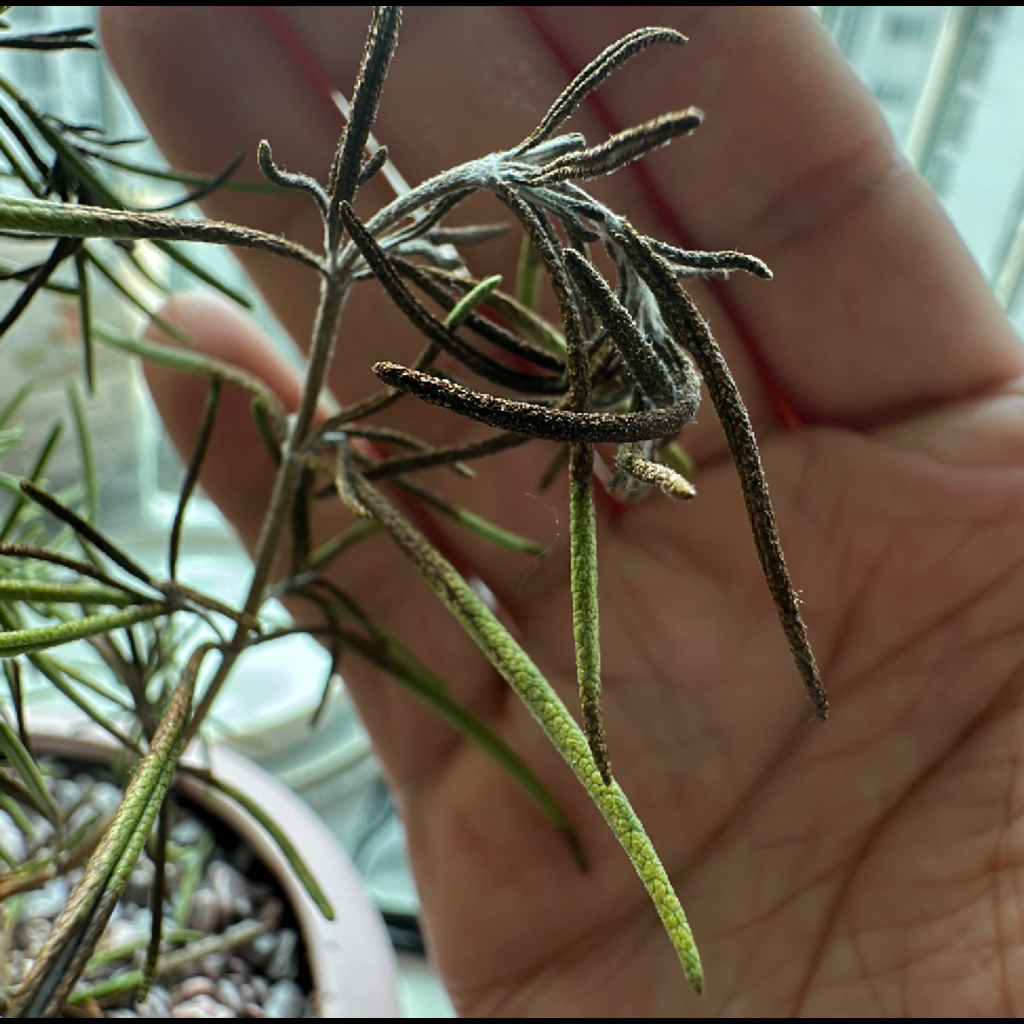

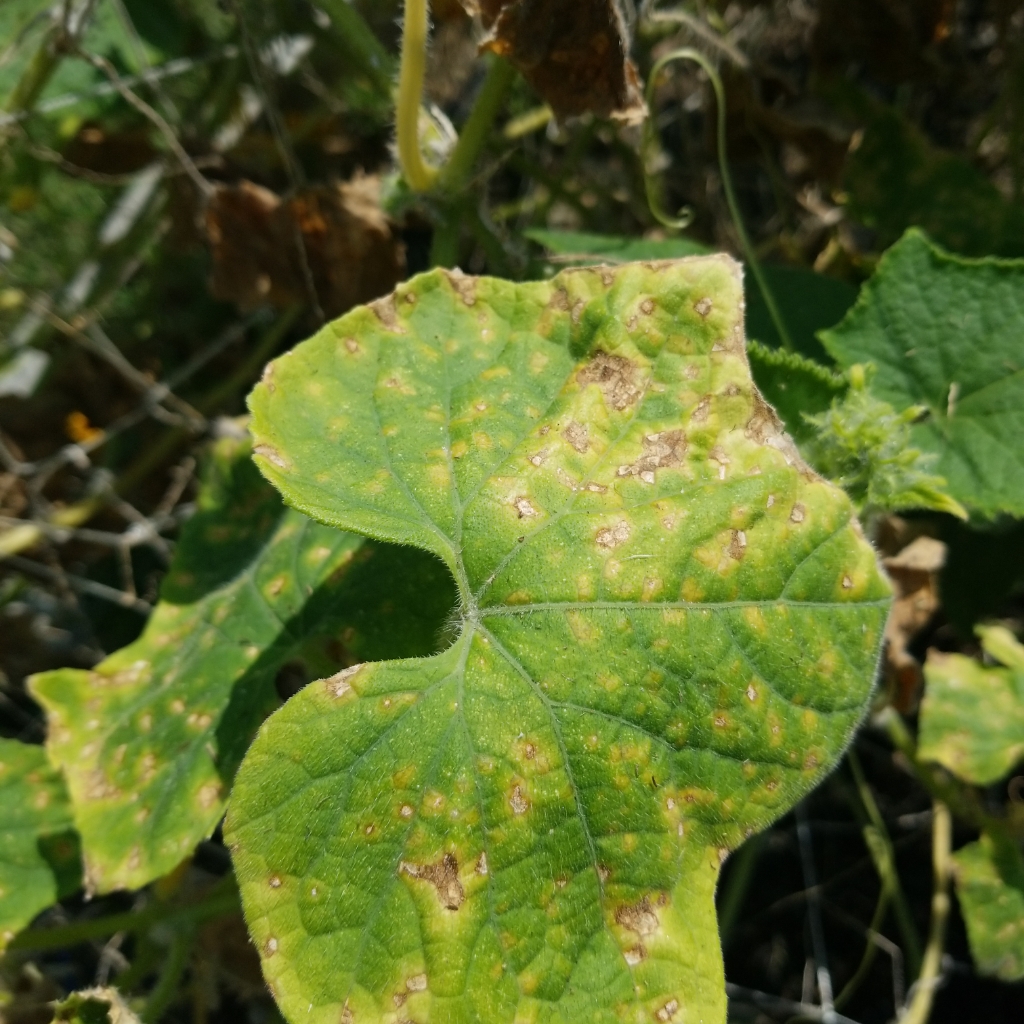

1:1 Expert Help
You’ll get professional feedback within 24 hours from an expert on our team.
feedback will include