


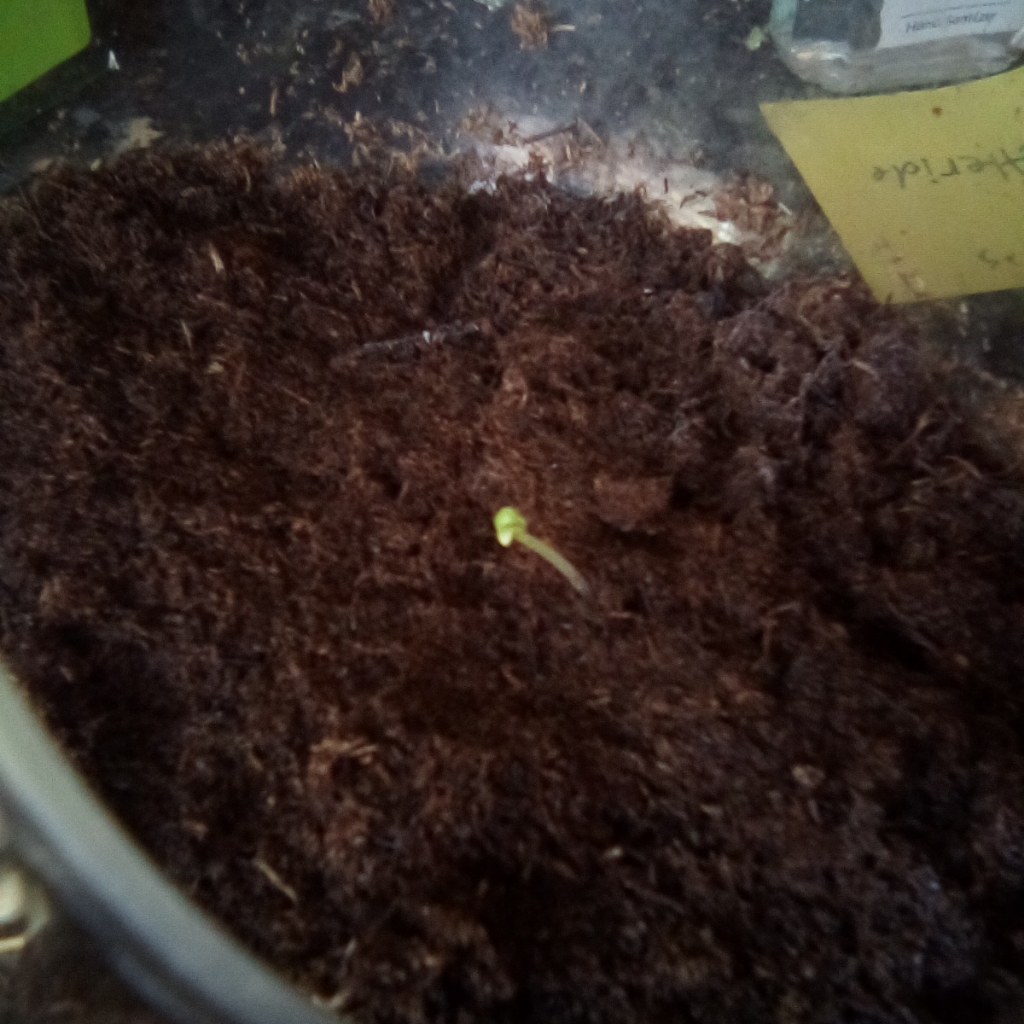





How to grow and care for Ocimum basilicum 'Genovese'
plant care guide about watering, fertilizing, trimming, repotting, cutting, propagating Ocimum basilicum 'Genovese', Saint-joseph's-wort 'Genovese', Common basil 'Genovese'
Ocimum basilicum 'Genovese' 101 - Plant Care Instructions
Bright direct light
16C° ~24C°
Every 7 days
Botany Encyclopedia
Species : Ocimum basilicum 'Genovese'
🔖 Care Tips
Thrips are a common pest. It's important to regularly monitor and control them to prevent infestations. If thrips appear, physical removal is limited, so it's advisable to alternate between at least two different pesticides. If you plan to harvest and consume the plant, use eco-friendly pesticides instead of chemical ones. During the germination period and early stages, growth is slow. Therefore, harvesting is possible after 2-3 months.
🏝️ Habitat Conditions
It primarily inhabits Central Africa and Southeast Asia's tropical regions. It prefers warm and humid environments and is sensitive to cold, making it unable to survive outdoors in winter.
🪨 Soil Mix
It is best to plant in well-draining soil. A common mix ratio is 40% potting soil, 20% bark, 20% leaf mold, 10% perlite, and 10% charcoal. This can vary depending on conditions and environment.
🌡️ Environment
Temperature: Maintain between 20-25°C, with a minimum of 5°C, but ideally above 15°C. Higher temperatures produce more volatile oils. Humidity: Preferably 40-70%. Prefers a humid environment over a dry one. Ensure good air circulation to prevent mold and pests in high humidity.
☀️ Light
It is best for the plant to receive as much light as possible.
💧 Water
When the surface soil dries, it's best to water immediately. Always keep the soil moist. Ensure proper air circulation after watering.
🌱 Propagate
Propagation can be done through cuttings or by collecting seeds after pollination when the plant flowers. For cuttings, use sterilized tools to cut 10-20 cm branches at an angle. Let them dry for 3-4 hours, then place them in soil or water for propagation. Ensure the original top side faces upward when planting. 1. For water propagation, avoid transparent containers. Place the stem in water, and once roots appear, use hydroponic fertilizer. When roots are 5-7 cm long, transfer to soil. 2. For soil propagation, plant deeply in soil without fertilizer. After taking cuttings, avoid exposing them to bright light. Gradually increase light exposure to help them adapt. Maintain high humidity and a temperature of 20-25°C. For seed collection, you can manually pollinate with a brush or cotton swab, but in well-ventilated areas, natural pollination by wind is likely.
🪴 Repot
As an annual plant, repotting is not necessary. After harvesting, it's best to start growing it again from seeds.
💊 Fertilize
Using fertilizer once during the growing season, while adhering to the recommended amount, can promote more vigorous growth.
🌺 Flower
Flowers bloom in the summer. If you want more leaves, pinch off the buds to prevent flowering. If flowers still appear, remove them to reduce nutrient consumption. If you plan to collect seeds, leave the flowers intact.
water
How to water Ocimum basilicum 'Genovese'
How often should I water?
check Ocimum basilicum 'Genovese' Every 7 days if it needs water when it’s very cold (below 5℃), water less frequently
When do I need to water?
the top 2-3 inches of soil is dry
Light & Location
How much light does a Ocimum basilicum 'Genovese' need?

Bright direct light
Grow light
Light preference
Ocimum basilicum 'Genovese' likes Bright direct light, Grow light day. The brighter the space, the better this plant grows.
Check if there’s an optimal place in your house!
This plant prefers
2K ~ 20K lux to thrive!
0
20K~
2K
20K
Temperature
Natural habitat
-15
3~40℃
45
Houseplants
-15
16~24℃
45
Plants that grow in the wild and those that grow indoors prefer different temperatures. If you grow Ocimum basilicum 'Genovese' at home, make sure the temperature is 16~24℃.
Humidity
Ideal humidity
0
40~70%
100
Ocimum basilicum 'Genovese' prefers humidity about 40~70%. If necessary, increase humidity by misting, humidifier.
Fertilize
Collective Knowhow
When should I fertilize?
Only when your plant is healthy
How frequently should I fertilize?
1-2 times in growing season. A pinch for a small pot.
Characteristic
| Characteristic Name | Characteristic Value |
|---|---|
| Lifespan | Annual |
| Hardiness Zone | 9 - 11 |
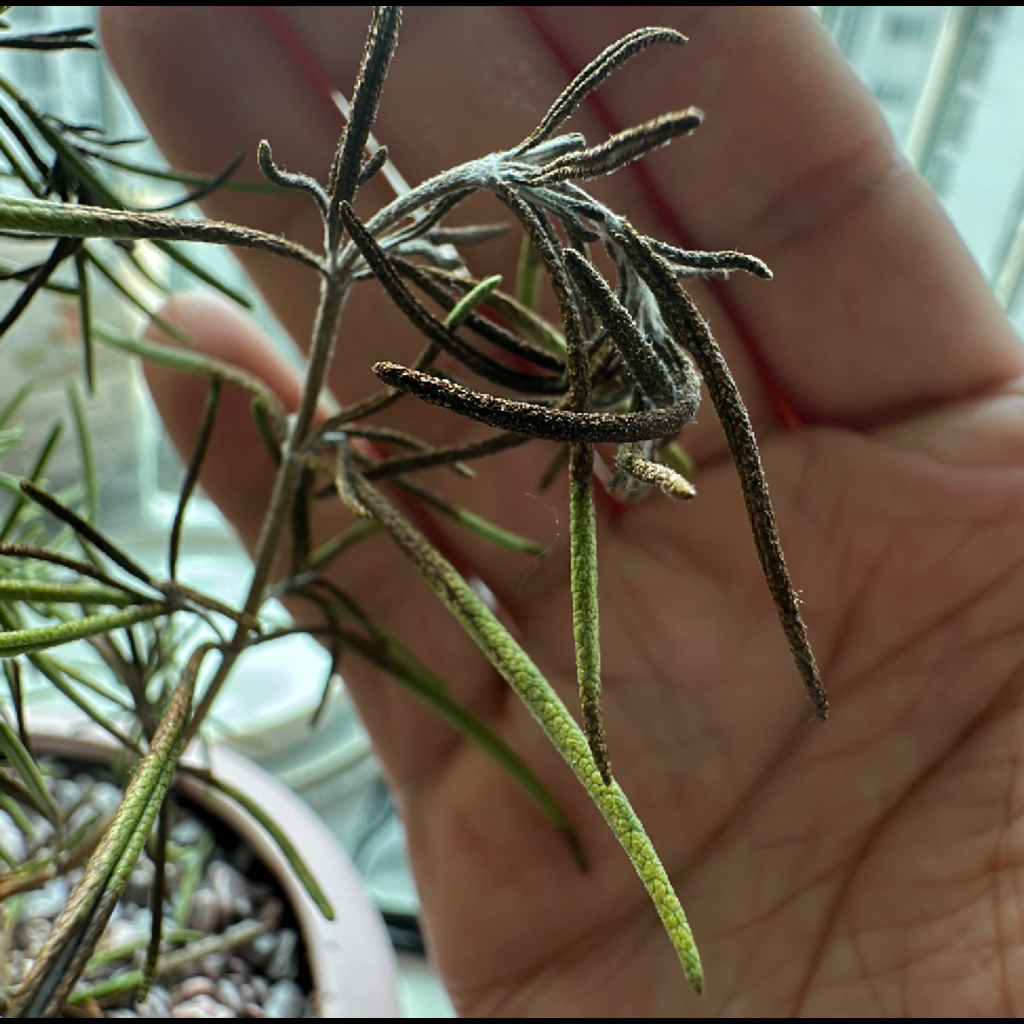
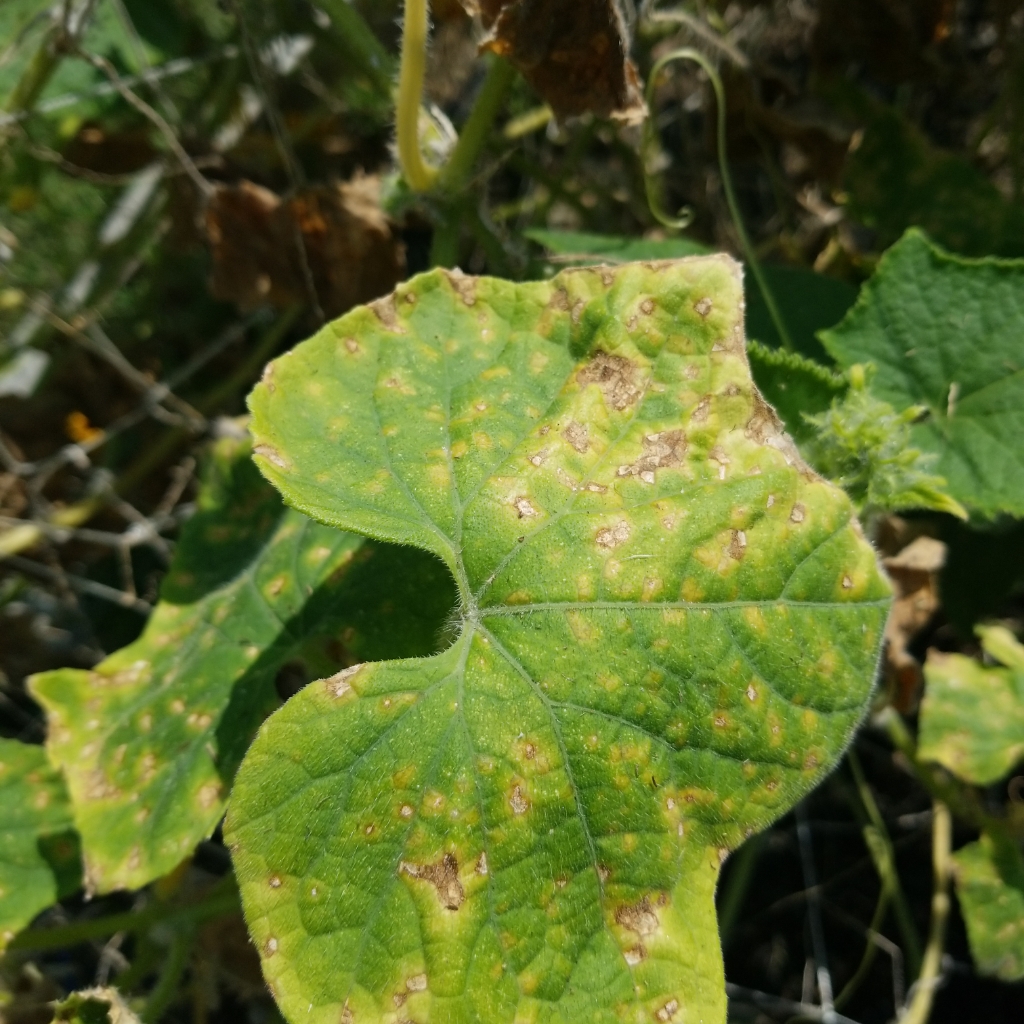
Is your plant sick?
Track what happened. We’ll let you know the cause and treatment shortly!


1:1 Expert Help
You’ll get professional feedback within 24 hours from an expert on our team.
feedback will include