










How to grow and care for Sedum japonicum
plant care guide about watering, fertilizing, trimming, repotting, cutting, propagating Sedum japonicum
Sedum japonicum 101 - Plant Care Instructions
Bright direct light
20C° ~25C°
Every 14 days
Botany Encyclopedia
Family : Crassulaceae
🌿 Photosynthesis
They use CAM (Crassulacean Acid Metabolism) photosynthesis, common in desert plants. This means they close their stomata during the day to minimize water loss and carry out photosynthesis at night. It's best to water them at night. However, they are sensitive to overwatering, so they should be kept in a well-ventilated environment without excess moisture.
Genus : Sedum
🔖 Care Tips
In summer, pay attention to plant care. If your area is hot and humid, use shade cloths or ensure good airflow to regulate temperature. Succulent leaves may have a white powder, which is a wax-like substance that protects the plant from losing moisture and from strong sunlight. Young leaves can regenerate this powder, but older leaves cannot, so it's best not to remove it.
🏝️ Habitat Conditions
This plant thrives in temperate and subtropical regions. It is resilient in dry conditions and withstands cold well.
🪨 Soil Mix
This plant thrives in well-draining sandy or poor soil, so it's best to plant it in soil with good drainage. For succulents, the soil is typically a mix of potting soil and coarse sand in a 3:7 ratio, though this can vary depending on conditions and environment.
🌡️ Environment
Maintain a temperature of 15-20°C. In winter, place the plant outdoors in a sunny spot for easy growth without special care. If there's no sunlight, provide warmth in winter. Indoors, be cautious as growth may stop if the temperature drops below 10°C. Check for varieties that are more heat or cold-tolerant depending on the plant type. Keep humidity low; if it's high, reduce watering or extend intervals between watering.
👀 Characteristics details
Succulents store water in their leaves, making them drought-resistant. Overwatering can occur if you water them too frequently. If the leaves become wrinkled, it's a sign of water deficiency, so water them then. They have shallow roots that spread out, making them suitable as ground cover plants. When growing in pots, use shallow and wide containers.
☀️ Light
This plant loves a lot of light. It grows well when placed in a sunny spot.
💧 Water
Do not water too frequently. Water when the leaves become wrinkled or soft. In summer, growth slows, and in winter, the plant goes dormant, so it's best to water when the soil is completely dry. This plant closes its stomata during the day and does not transpire, so it's better to water at night. After watering, place the plant in a well-ventilated area.
🌱 Propagate
This plant spreads well sideways, so it can be easily propagated by dividing offsets from the mother plant in spring. 1. Remove the plant from the pot and decide how many sections to divide it into. 2. Carefully separate the roots according to the number of sections decided. (Be cautious not to damage the roots by pulling them apart too quickly.) 3. If the roots are tightly tangled, use sterilized scissors to separate them. 4. After dividing, plant each section into separate pots. Alternatively, you can cut healthy stems in spring, dry them for a few days, and plant them in soil without fertilizer. It's best not to water for 3-7 days after planting, as the stem may rot without root development. Avoid exposing the cuttings to bright light immediately; gradually increase light exposure to help them adapt. Maintain high humidity and a temperature of 20-25°C.
🪴 Repot
It is best to plant in well-draining soil and choose a wide, shallow pot due to the plant's shallow, spreading roots. Since it grows slowly, repot healthy plants every 2-3 years in spring. Water the plant 4-7 days after repotting, not immediately.
💊 Fertilize
Succulents do not require much fertilizer. However, if they are not vibrant in color or show poor growth despite having enough light during the growing season, it is advisable to provide a small amount of fertilizer. Do not fertilize immediately after repotting; wait 2-4 weeks before doing so.
🌺 Flower
Flowers typically bloom from summer (June to July) to fall. If the plant is not flowering, it may be due to insufficient light, so increase the light exposure.
😵 Toxicity
Non-toxic and safe for pets and children.
water
How to water Sedum japonicum
How often should I water?
check Sedum japonicum Every 14 days if it needs water when it’s very cold (below 5℃), water less frequently
When do I need to water?
The soil should be at least 90% dry before watering again. this means about every 2 weeks in the warm season and about every 4 weeks in the cold season
Signs that it really needs water
leaves look a little wrinkled
Light & Location
How much light does a Sedum japonicum need?
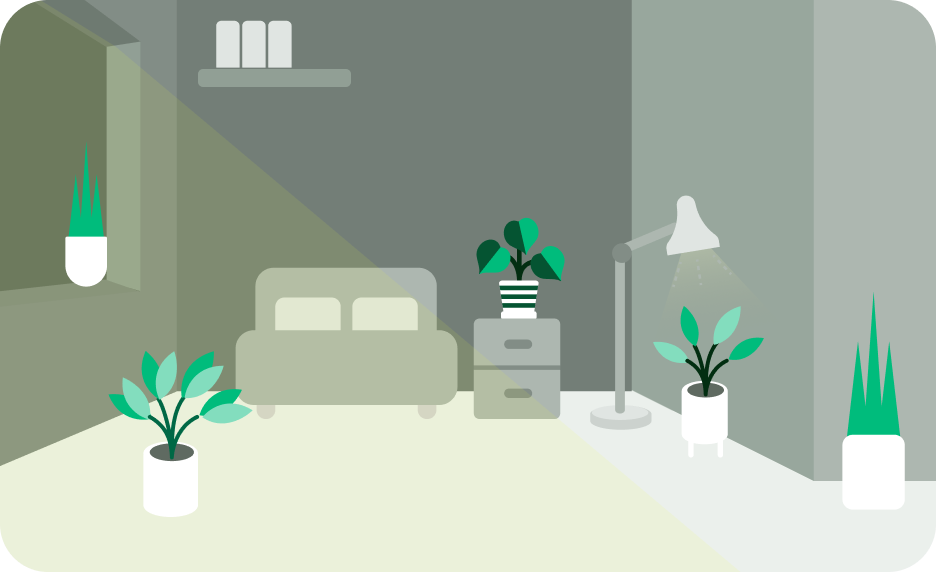
Bright direct light
Grow light
Light preference
Sedum japonicum likes Bright direct light, Grow light day. The brighter the space, the better this plant grows.
Check if there’s an optimal place in your house!
This plant prefers
2K ~ 20K lux to thrive!
0
20K~
2K
20K
Temperature
Natural habitat
-15
8~42℃
45
Houseplants
-15
20~25℃
45
Plants that grow in the wild and those that grow indoors prefer different temperatures. If you grow Sedum japonicum at home, make sure the temperature is 20~25℃.
Humidity
Ideal humidity
0
40~70%
100
Sedum japonicum prefers humidity about 40~70%. If necessary, increase humidity by misting, humidifier.
Fertilize
Collective Knowhow
When should I fertilize?
Only when your plant is healthy
How frequently should I fertilize?
1-2 times in growing season. A pinch for a small pot.
Characteristic
The taxonomic classification of Sedum japonicum is as follows. - Kingdom: Plantae, Phylum: Tracheophyta, Class: Magnoliopsida, Order: Saxifragales, Family: Crassulaceae, Genus: Sedum, Species: Sedum japonicum
| Characteristic Name | Characteristic Value |
|---|---|
| Lifespan | Perennial |
| Habitat | North America |
| Hardiness Zone | 10 - 13 |
| Taxonomy Name | Taxonomy Value |
|---|---|
| Phylum | Tracheophyta |
| Class | Magnoliopsida |
| Order | Saxifragales |
| Family | Crassulaceae |
| Genus | Sedum |
| Species | Sedum japonicum |
Is your plant sick?
Track what happened. We’ll let you know the cause and treatment shortly!
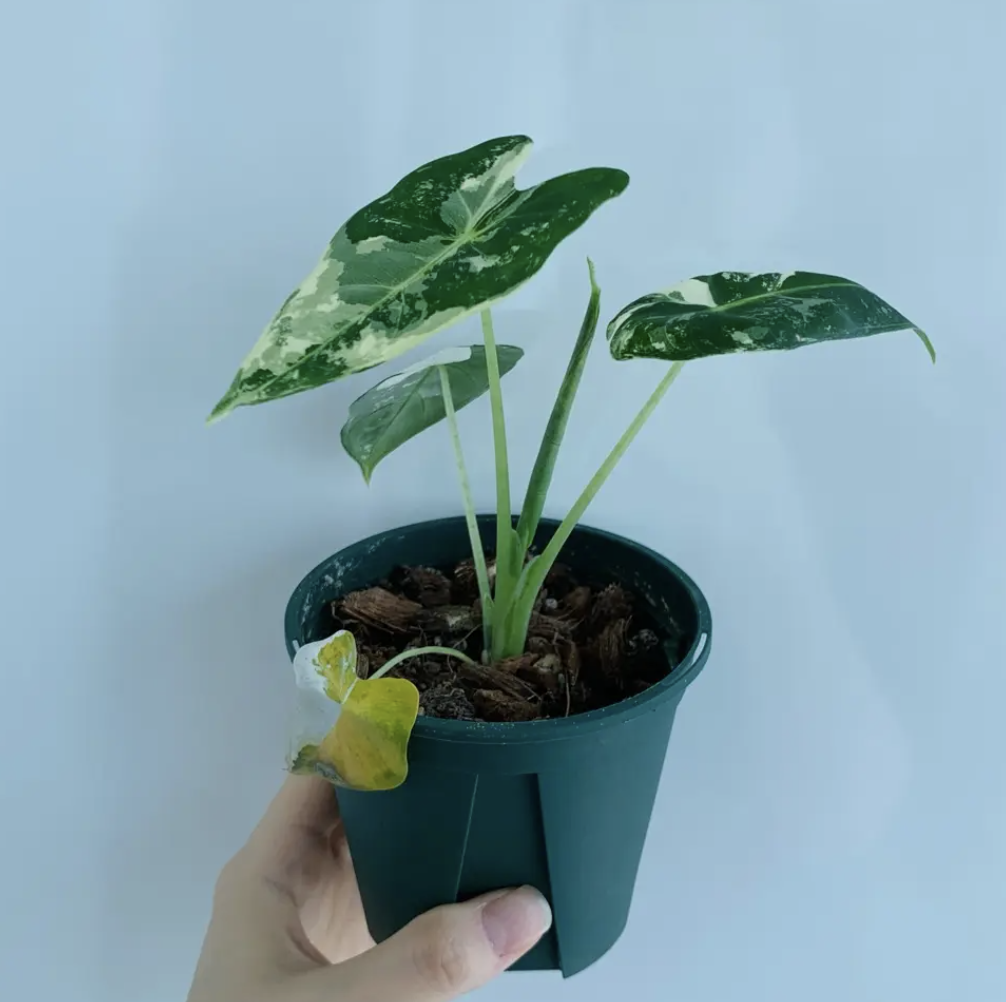
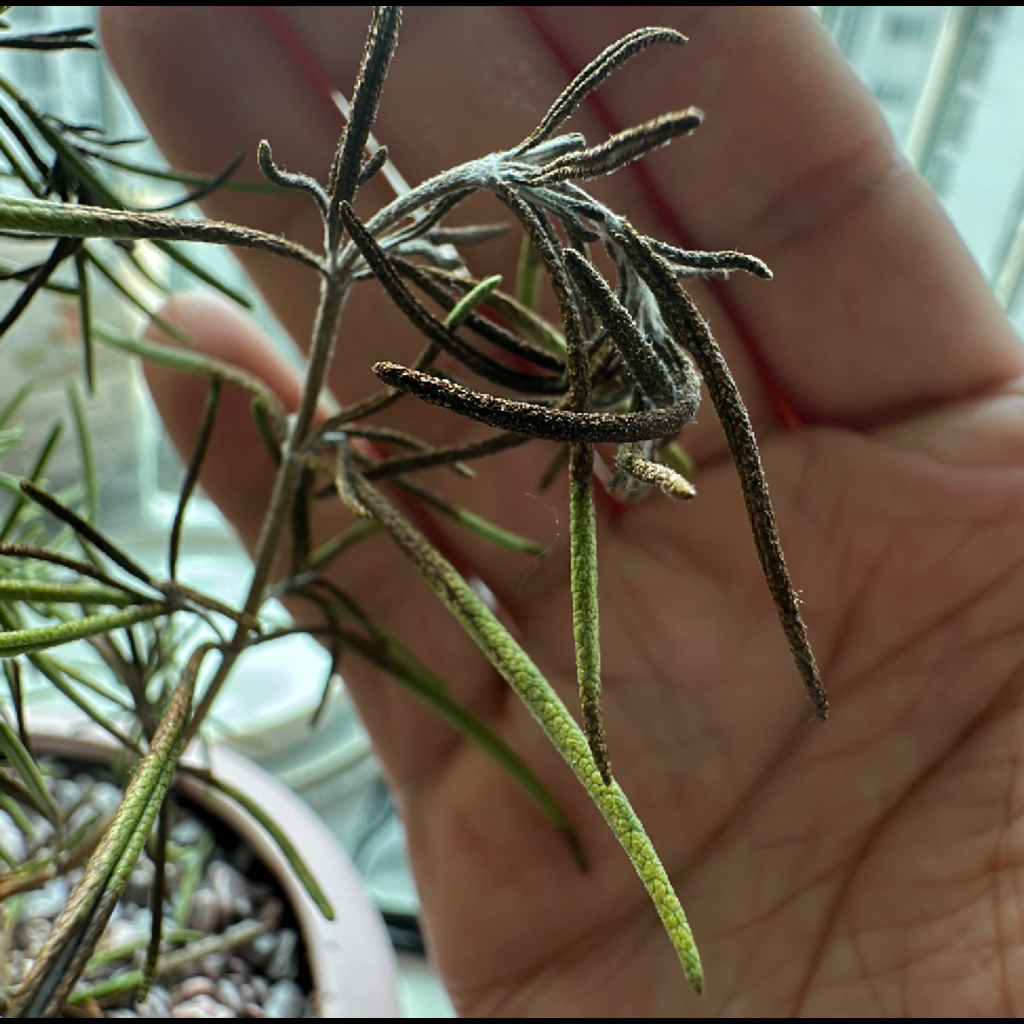

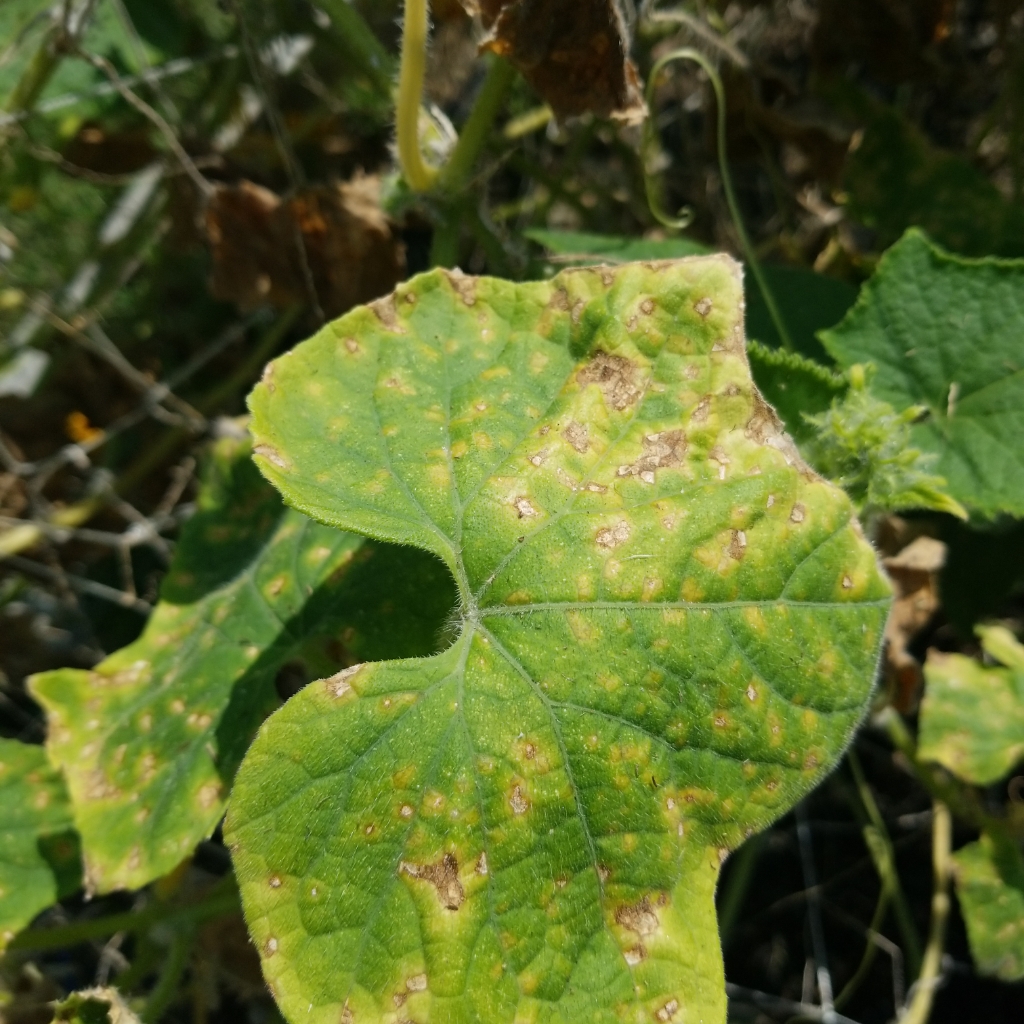

1:1 Expert Help
You’ll get professional feedback within 24 hours from an expert on our team.
feedback will include